

Why Preparation is the Key to a Perfect Translation
In the world of professional language services, the final quality of a translation is not just the responsibility of the linguist; it is a partnership between the client and the provider. A well-prepared project ensures accuracy, maintains brand consistency, reduces turnaround times, and ultimately lowers costs. Before you send your document to your language service provider (LSP), asking “How fast can you do this?” a better question is, “Have I done everything to make this process smooth and successful?”
Many clients, in their rush to meet deadlines, overlook small preparation steps that can cause significant delays and increase expenses. A seemingly “final” document that undergoes revisions mid-project, or a PDF with un-editable text, can quickly derail a timeline. To help you streamline the process and achieve a flawless result, we’ve developed this essential 5-step checklist to run through before you submit your next translation project.
Step 1: Finalize Your Source Text (No More "Just One Last Change")
This is the golden rule of translation: only submit the final, approved version of your document. While it may seem efficient to send a “99% complete” draft to get a head start, this almost always backfires.
When a translator begins work, they are not just translating word by word; they are crafting sentences and paragraphs that flow logically and maintain a consistent tone. A “small change” in the first paragraph can have a ripple effect, forcing the linguist to re-work subsequent sections to ensure coherence. This not only consumes valuable time but can also lead to version control nightmares and introduce new errors. Chasing down and implementing changes in a separate, translated document is far more complex than doing so in the original. Before you hit “send,” get that final sign-off from all stakeholders.
Step 2: Create a Glossary and Style Guide
If your company has specific terminology, you cannot assume a translator will instinctively know it. A glossary and style guide are the two most powerful tools you can provide to ensure consistency and brand alignment.
Why is a Glossary So Important?
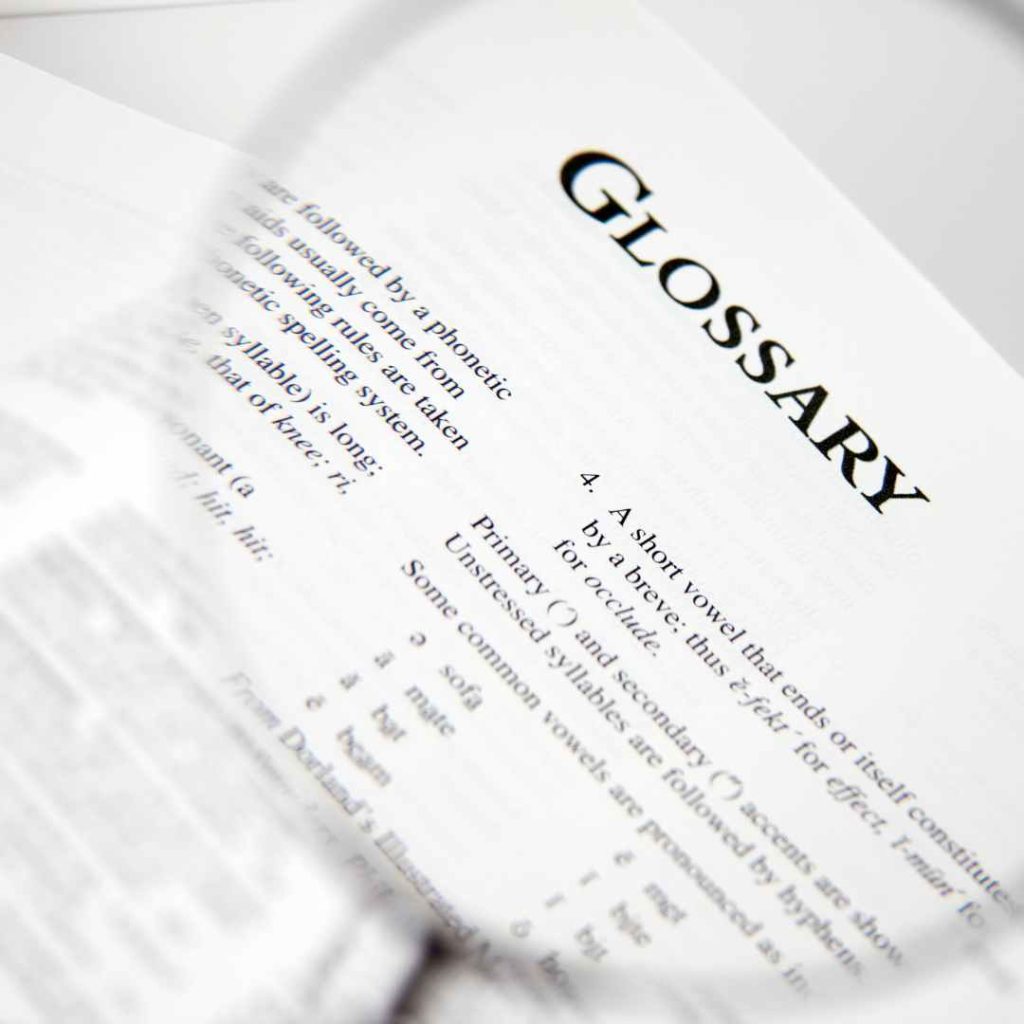
A glossary is a list of your company-specific terms, acronyms, and product names, along with their approved translations (if you have them) or a clear explanation. Does “lead” refer to a potential sales client, a type of metal, or the main actor in a play? Your glossary clarifies this, ensuring that your unique business language is used correctly every single time, across every document.
What is a Style Guide?
A style guide dictates your brand’s voice and tone. Is your company formal and academic, or casual and friendly? Should the translation address the reader formally or informally? Does your company prefer “e-commerce” or “eCommerce”? A style guide answers these questions, ensuring the final translation sounds like your brand, not just like a technically correct document.
Step 3: Provide Context and Define Your Audience
Translation without context is just guesswork. A translator needs to know why the document is being translated and who will be reading it.
A marketing brochure intended to persuade new customers in Spain will be written in a very different style than a technical manual for engineers in Mexico. The same source text for an internal employee memo will have a different tone than a public-facing press release.
Provide your LSP with answers to these key questions:
What is the purpose of this document? (To inform, to sell, to educate, to comply with legal requirements?)
Who is the target audience? (Their age, professional level, geographic location, and relationship to your brand?)
Where will this text be published? (On a website, in a printed manual, as a script for a video?)
The more context you provide, the better the translator can adapt the message to meet your specific goals.
Step 4: Check Your Formatting
Formatting issues are the most common technical hurdle in translation. Most professional translators work with translation memory software, which functions best with editable text formats like Microsoft Word (.docx), Excel (.xlsx), or InDesign (.idml).
While translating from a PDF is possible, it is not ideal. A PDF is a “flat” file, and extracting the text often breaks the formatting, requiring significant time to manually rebuild the document after translation.
Dealing with Non-Editable Text (Images, PDFs)
If your document contains text embedded within images (like charts, graphs, or infographics), this text cannot be directly translated. You will need to either:
Provide the original, editable source file for the image.
Have the LSP engage in Desktop Publishing (DTP) services to recreate the graphic with the translated text, which is an additional service.
Always check your files for editable text first.

Step 5: Consolidate and Communicate Your Needs
Finally, consolidate all your files and instructions into one clear package. Instead of sending multiple, confusing emails, create one project submission that includes:
The final, source document(s).
Your glossary and style guide.
Your context and audience information.
Any supporting reference materials (e.g., previous translations of the same product).
Your desired target language(s).
Your firm deadline.
Conclusion: A Prepared Client is Our Best Partner
By following this checklist, you transform from a simple client into a project partner. Taking these preparatory steps demonstrates a commitment to quality and professionalism that any high-caliber LSP will appreciate. It not only ensures that your project will be completed more efficiently but also guarantees that the final product you receive—the translation that will represent your brand to the world—is as accurate, consistent, and effective as possible.